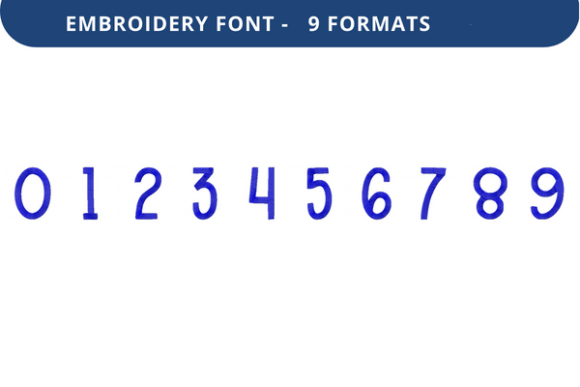
Taffy Luck Font 0 to 9
A Friendly, Handmade Vibe That Builds Brand Trust
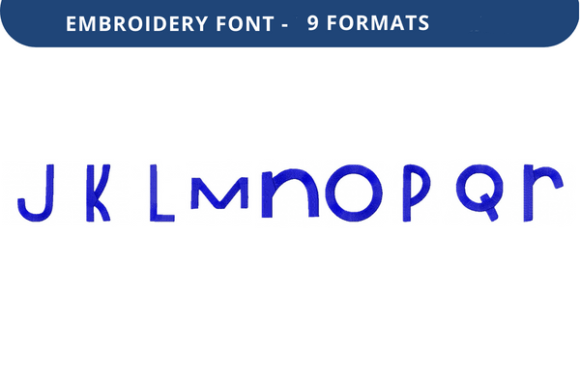
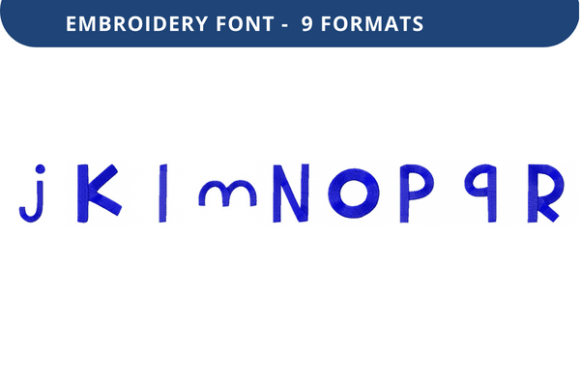
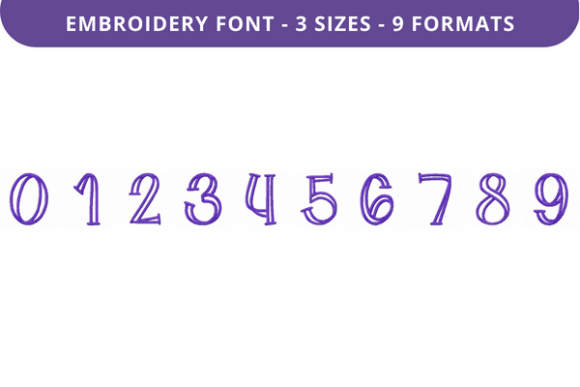
As an embroidery designer who’s stitched logos for over 120 small businesses—from neighborhood bakeries to indie florists—I immediately recognized Taffy Luck Font 0 to 9 as a warm, approachable machine embroidery design. It doesn’t scream “corporate” or “ultra-minimalist.” Instead, it leans into a gently rounded, slightly bouncy structure—think handwritten charm with clean digital precision. That makes it ideal for brands that want to feel human, local, and intentional without sacrificing polish. For Back To School launches, it adds personality to student tote bags, teacher aprons, and library volunteer patches without looking childish.
Where Taffy Luck Font 0 to 9 Shines in Real Business Use
This embroidery file excels where authenticity and clarity intersect. On embroidered patches for boutique merchandise? Absolutely—it holds shape beautifully at 1.5"–2.5" heights and reads cleanly even with subtle stitch texture. For custom apparel like staff uniforms, I’ve used Taffy Luck Font 0 to 9 on chest pockets of linen aprons and sleeve accents of cotton-blend work shirts. Its open letterforms prevent fill distortion, and the balanced spacing avoids crowding when stitching names or short slogans (“Est. 2023”, “Maple & Thyme”, “Bloom Daily”).
It also performs well on curved surfaces like cap fronts—provided you keep line length under 3 inches and avoid tight arcs on the bill’s crown. On tote bag design, it anchors hand-stitched or printed branding with soft authority: not too loud, not too shy. For Etsy sellers, pairing Taffy Luck Font 0 to 9 with a simple icon (a tiny coffee cup, flower, or paw print) creates cohesive, recognizable design assets across listings, packaging tags, and printable mockups.
Use With Care: Practical Limits for Professional Results
Like any thoughtful machine embroidery design, Taffy Luck Font 0 to 9 has boundaries—and respecting them is how small business merch stays legible and durable. Avoid scaling below 0.5" height for standalone numbers or single digits; the curves and counters begin to collapse, especially on textured fabric like canvas or terry cloth. On dark uniforms or navy caps, confirm thread color contrast early—light heather gray or ecru may disappear where white or metallic silver pops. Also, test stitch density on high-wear items: dense fills look rich on tote bag designs but can stiffen apron embroidery near seams if not balanced with proper stabilizer.
Don’t assume it auto-adapts to every surface. Curved cap fronts need slight letter-spacing adjustments; stretchy knits require cutaway stabilizer and slower hoop speeds; and tightly woven fabrics like twill benefit from a light topping to prevent thread snagging. If your client plans frequent washing—say, for café staff aprons—run a wash-test sample before bulk production. Taffy Luck Font 0 to 9’s clean outlines hold up well, but thread choice and stabilizer selection make the real difference in longevity.
How It Strengthens Your Brand Identity—Without Saying a Word
Typography is silent brand strategy. Taffy Luck Font 0 to 9 signals approachability and care—not just in what you say, but *how* you say it. When stitched onto a handmade product label or a pet brand’s collar tag, it quietly tells customers, “We made this ourselves—and we paid attention to the details.” That builds trust faster than a glossy website. For local businesses, it reinforces community presence: a florist’s tote bag with “Rose & Vine • 2024” in Taffy Luck Font 0 to 9 feels personal, not mass-produced. And because it works equally well for names, dates, and short quotes, it supports visual consistency across touchpoints—whether it’s a staff name badge, a limited-edition event merch patch, or a seasonal product launch banner.
Importantly, it avoids visual fatigue. Unlike ultra-thin or overly decorative fonts, Taffy Luck Font 0 to 9 remains readable at arm’s length and scales gracefully from 1-inch patches to 4-inch tote bag monograms. That consistency strengthens recognition—your customers start associating that gentle rhythm of curves and spacing with your brand, even before they see your logo.
Essential Designer Notes Before You Stitch
- Always test in black and white first—it reveals spacing issues, unintended overlaps, and stitch direction quirks invisible in color previews.
- Check minimum viable size on your target patch dimensions. Run a 1.25" test on actual fabric before approving for client production.
- Review thread color contrast against both light and dark base fabrics—especially for small business merch meant to last seasons.
- Inspect kerning and tracking manually. Auto-spaced embroidery files sometimes tighten numerals (like “6” and “9”) too aggressively on curves.
- Confirm hoop size compatibility—some digitizers optimize for 4x4 hoops, others require 5x7. Match this to your machine and client’s production capacity.
- Test on real fabric with correct stabilizer. A cotton poplin shirt behaves differently than a polyester tote—even with the same embroidery file.
- Create a printable mockup for client approval, not just a digital preview. Clients respond better to tangible context—e.g., Taffy Luck Font 0 to 9 on a photo of their actual apron style.
- Compare beside existing design assets: Does it harmonize with your logo, icon set, and packaging typography—or clash subtly?
- Verify commercial licensing before using Taffy Luck Font 0 to 9 in products sold to end customers. As a digital embroidery file, its usage rights directly impact your small business merch compliance.
Final Thought: Personality With Purpose
Taffy Luck Font 0 to 9 isn’t just another embroidery font—it’s a quiet brand amplifier. For small business owners, crafters, and apparel decorators, it delivers professional results without demanding perfection from your equipment or fabric choices. Used intentionally, it turns functional items—caps, totes, aprons, patches—into tactile expressions of identity. Whether launching Back To School merch for a creative studio or building long-term recognition for a handmade shop, this machine embroidery design earns its place in your core design assets. Just remember: great embroidery starts with smart testing, not just beautiful files.